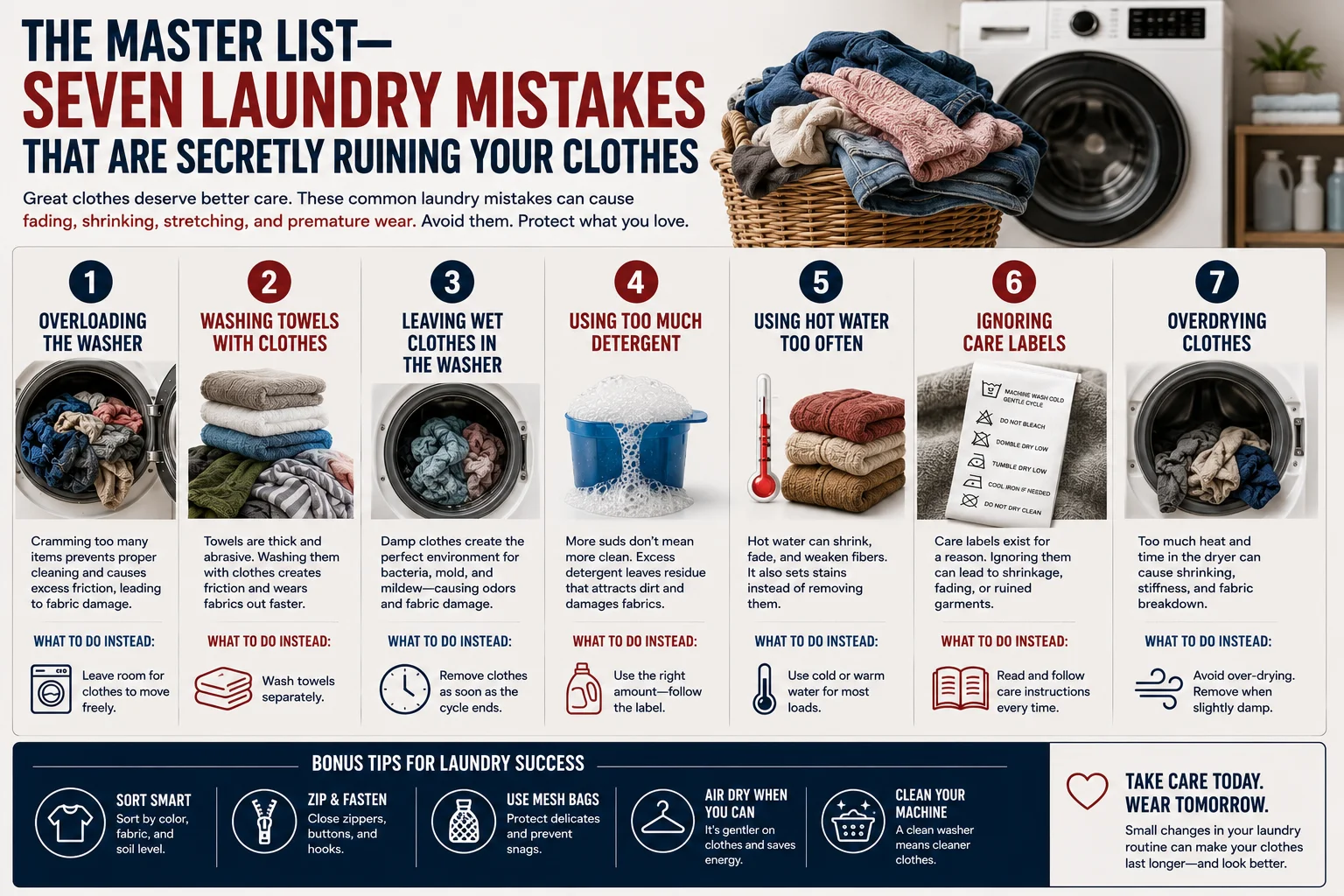
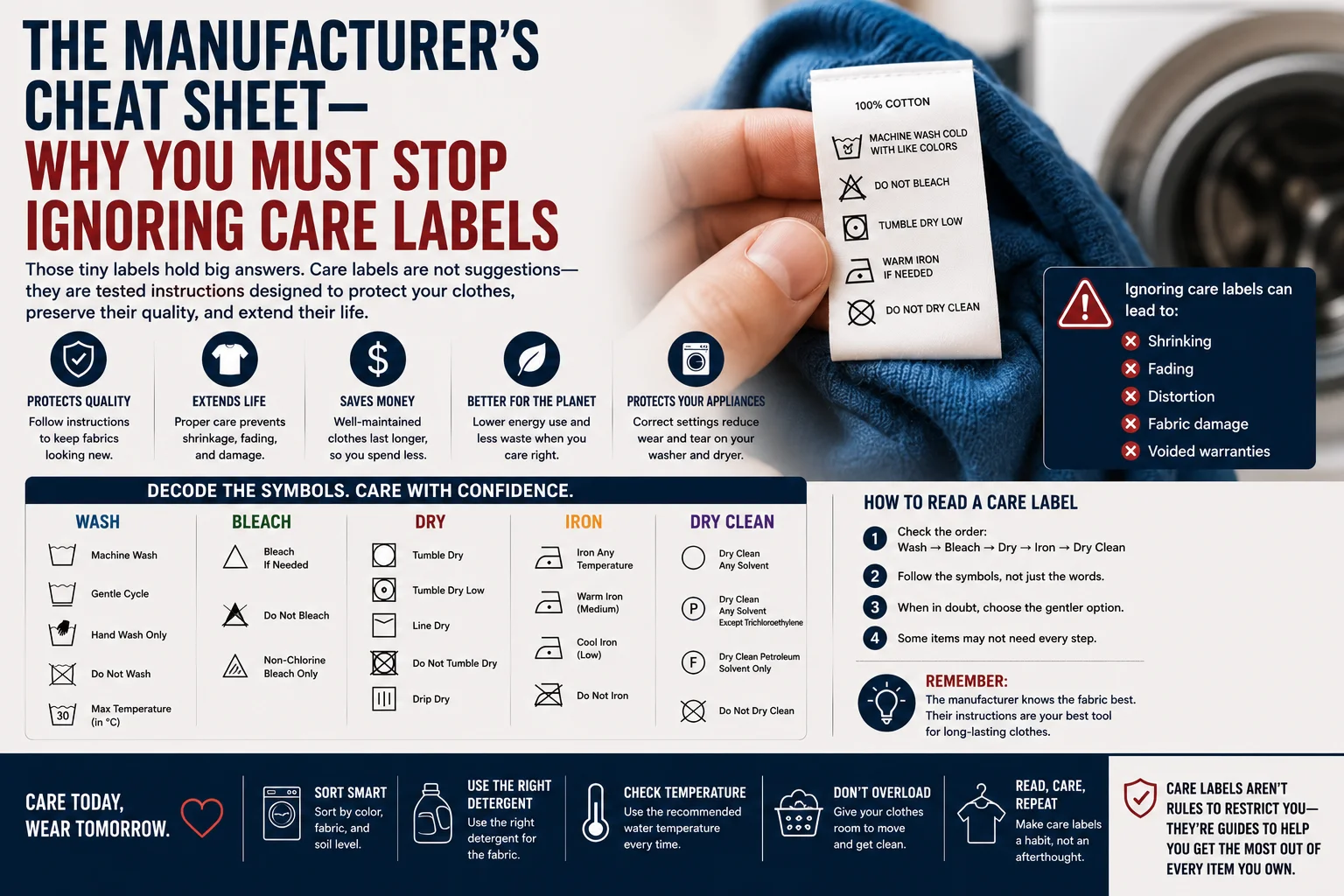
We often treat laundry care labels as annoying, itchy suggestions that need to be cut off as soon as we buy a new shirt. However, those labels are the result of rigorous testing by the manufacturer to ensure the garment lasts. Ignoring them is the fastest way to turn a $200 blazer into a $200 rag.
Decoding the Language of “Dry Clean Only”
There is a common misconception that “Dry Clean Only“
on laundry care labels simply protects brands from liability. While some garments labeled “Dry Clean” can survive careful hand-washing, anything marked “Dry Clean ONLY” requires much more caution.
These garments often contain internal structures—like the interfacing in a suit lapel or the shoulder pads in a coat—that are made of materials that will dissolve, warp, or “bubble” when they touch water. Furthermore, many high-end dyes are not “water-fast.” A single wash in a machine could cause the colors to bleed or the fabric to shrink unevenly, ruining the silhouette of the piece forever.
The Perils of the Dryer Symbol
The care label isn’t just about the wash; it’s about the finish. The “Do Not Tumble Dry” symbol is often the most ignored, yet it is arguably the most important. High-heat drying is the leading cause of “micro-shrinkage,” where fibers tighten slightly with every load until the garment is a full size smaller.
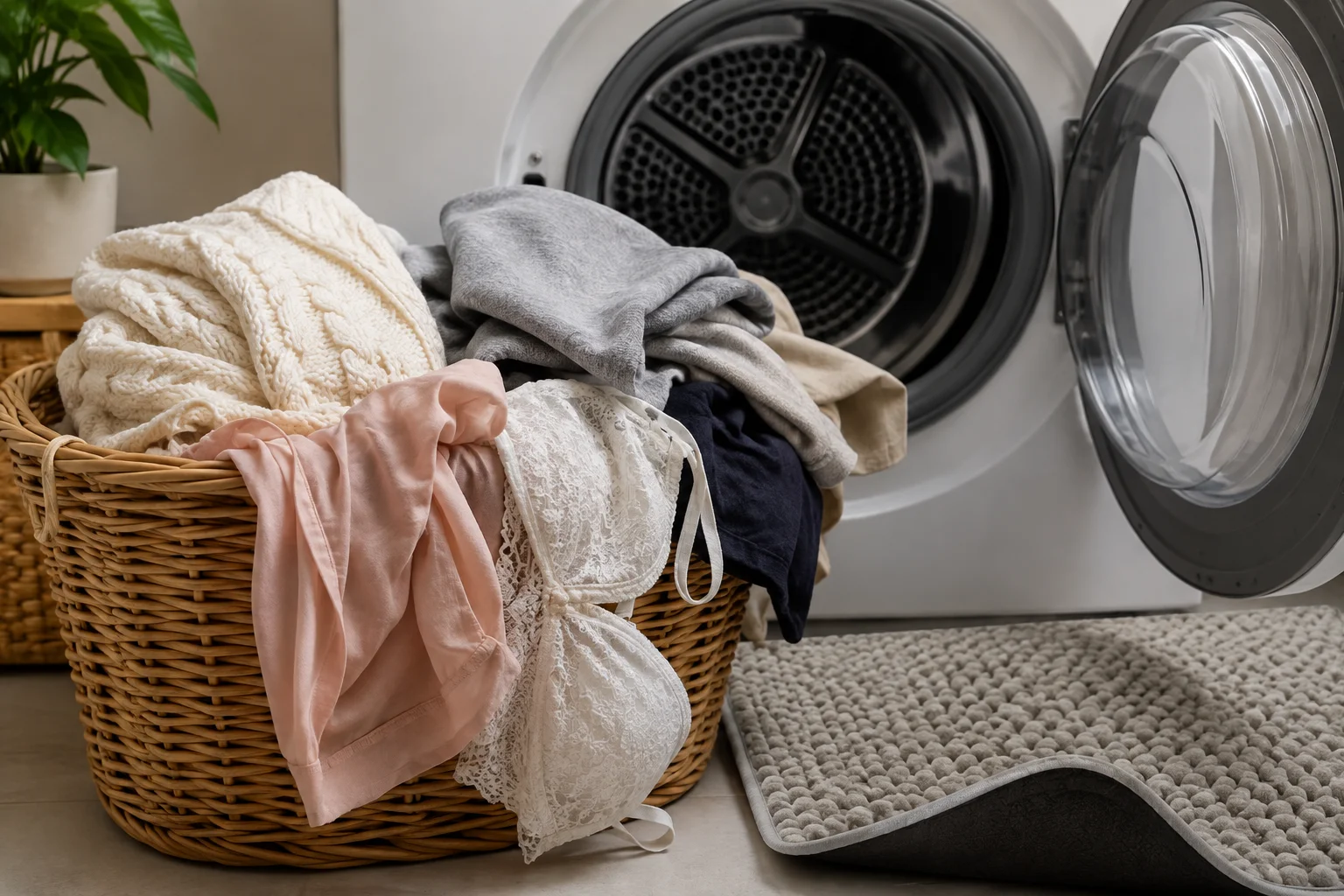
Moreover, heat can melt the delicate lace, silk, or synthetic trims found on many modern garments. If a label suggests “Line Dry” or “Dry Flat,” it is because the garment’s weight when wet could cause it to stretch out of shape if hung, or the heat of the dryer will destroy the fiber’s natural sheen.
Building a Relationship with Your Wardrobe
Reading a care label takes three seconds, but it can save you hundreds of dollars in replacement costs. Think of it as a manual for an expensive piece of equipment. You wouldn’t put the wrong oil in your car; don’t put the wrong temperature on your silk blouse. Respect the label, and your clothes will respect you back by looking pristine for years.