1. Your Washer Is Too Full
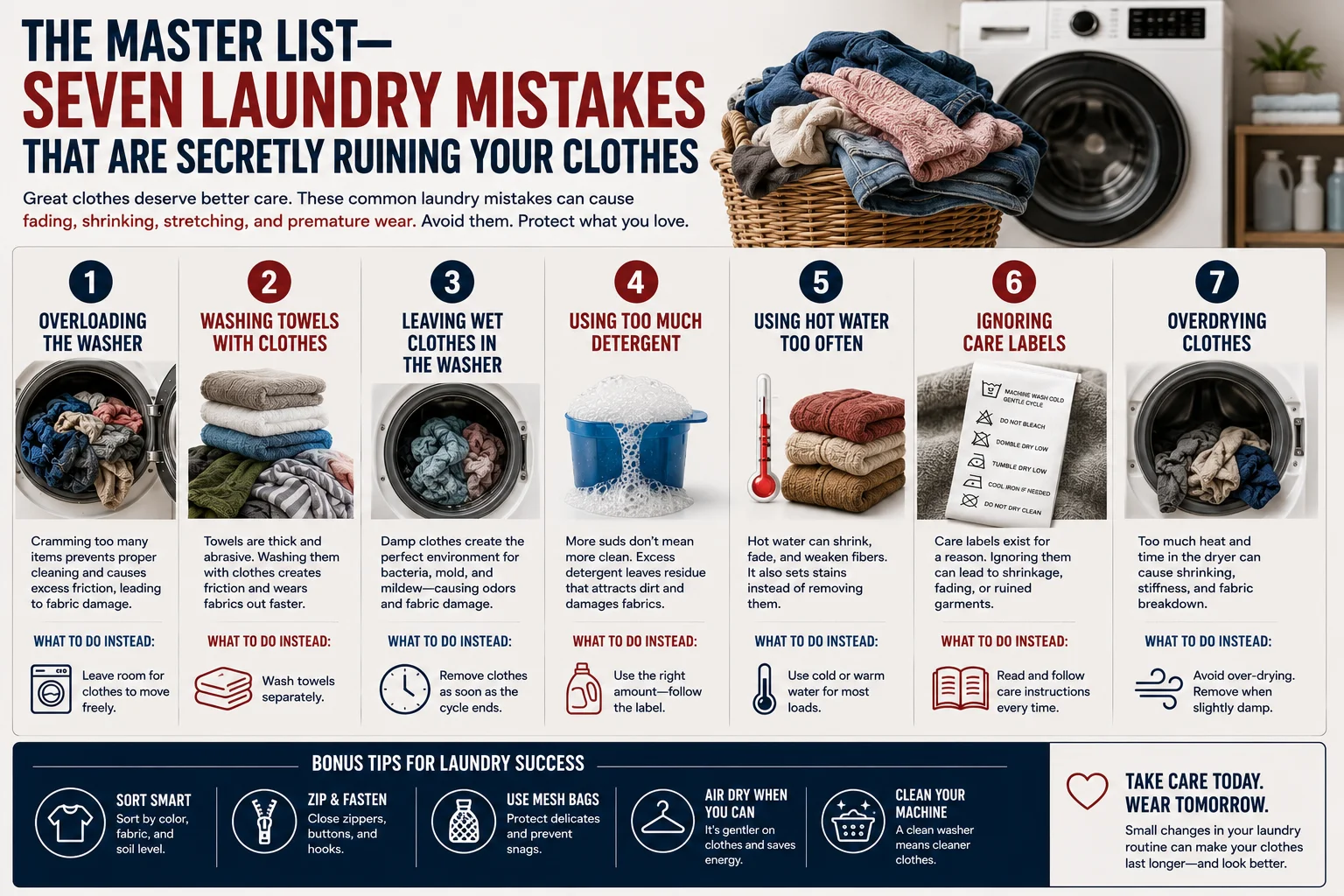
One of the easiest ways to get laundry that looks clean but doesn’t feel clean is putting too much into the washer.
When clothes are packed tightly together, they have less room to move through the water. That matters because washing is not simply about soaking fabric in detergent. The clothes need enough movement for water and cleaning solution to reach different areas of the load.
An overloaded machine can also make rinsing less effective.
What to do instead:
Leave enough room for the laundry to move freely. For large loads, bulky bedding, towels, or comforters, consider using a larger-capacity commercial washer.
Rise N Rinse offers multiple washer sizes, including machines designed for substantially larger loads.
2. There Is Too Much Detergent Left Behind
More detergent sounds like a logical way to get cleaner clothes. It isn’t always. Excess detergent can leave residue on fabric, particularly when the load is large or the washer cannot rinse everything thoroughly.
That residue can make clothing feel stiff, coated, or less fresh.
This is especially noticeable on:
- Towels
- Workout clothing
- Dark fabrics
- Bedding
- Synthetic materials
If clothes feel strangely waxy or stiff immediately after washing, detergent residue is worth considering.
What to do instead:
Follow the detergent manufacturer’s recommended amount and consider whether the size of the load actually requires more product.
3. Your Clothes Are Carrying Body Oils and Product Residue
Some laundry problems aren’t caused by visible dirt.
Skin oils, sweat, deodorant, lotions, hair products, sunscreen, and other substances can gradually build up on clothing. A shirt may look perfectly presentable while areas around the collar, underarms, cuffs, or waistband still feel different from the rest of the fabric.
This is particularly common with clothing worn repeatedly before washing.
What to do instead:
Pay attention to heavily used areas rather than assuming the entire garment needs exactly the same treatment.
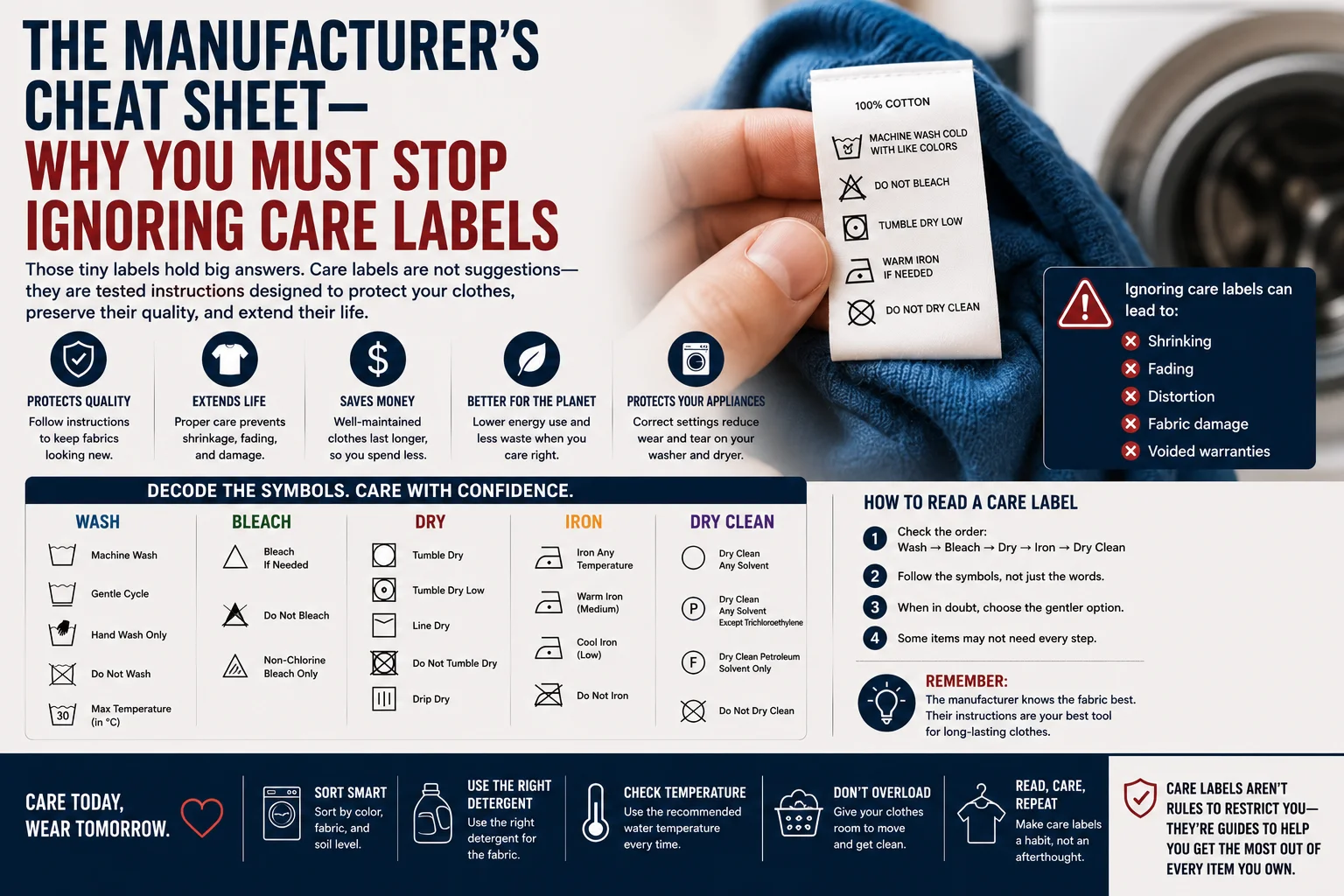
For stubborn buildup, simply running the identical wash cycle again may not be the most effective solution. The garment may need a more appropriate washing method based on its care instructions and fabric.
4. The Fabric Itself Holds onto Residue
Not every fabric responds to washing in the same way.
Synthetic materials such as polyester and performance fabrics can behave differently from cotton. They can retain oils and odors more readily, particularly when worn during exercise or hot weather.
That means a quick standard cycle may leave you with clothing that looks clean but doesn’t have the same fresh feel you expect.
What to do instead:
Separate particularly sweaty or heavily worn performance clothing when practical, follow the care label, and avoid treating every fabric exactly the same way.
The goal isn’t simply to make the fabric wet and add detergent. It’s to choose a washing approach appropriate for the material.
5. The Load Contains Bulky Items That Need More Space
A comforter, thick blanket, large bath towels, or multiple bulky items can change how a washing machine performs.
The issue isn’t necessarily that the machine cannot wash the item. The problem is that a machine that’s too small may leave insufficient room for proper movement.
Bulky laundry can also absorb a considerable amount of water, making the load behave very differently from a basket of everyday clothing.
What to do instead:
Match the machine size to the load. This is one situation where a laundromat can make practical sense.
Rise N Rinse has multiple commercial washer capacities, allowing customers to choose a machine according to the size of the load rather than forcing everything into a standard household washer.
6. Your Towels Feel Clean but Have Lost Their Fresh Texture
Towels are a good example of why “washed” and “feels clean” aren’t always the same thing.
Because towels are designed to absorb moisture, they can accumulate body oils, detergent residue, and other buildup over time. If they start feeling unusually stiff, coated, or less pleasant against the skin, simply adding more detergent may make the situation worse.
The answer may instead involve changing how the towels are being washed and rinsed.
What to do instead:
Give towels enough room to move, avoid excessive detergent, and make sure they are completely dried after washing.
And don’t assume that a towel needs to be washed together with your everyday clothing just because both items are washable.
7. The Clothes Are Clean, But They Were Not Rinsed Effectively
A washing cycle has another important stage that can be overlooked: rinsing.
If cleaning products and loosened residue aren’t adequately removed, clothes may come out looking clean but feel different when you touch them.
This can be especially noticeable with:
- Dark clothing
- Towels
- Athletic wear
- Heavy cotton
- Large loads
If the fabric feels coated rather than fresh, the problem may not be insufficient cleaning. It may be incomplete removal of what was loosened during the wash.
What to do instead:
Avoid unnecessarily large loads and excessive detergent. If your machine offers appropriate rinse options, use them according to the garment and load requirements.
8. You’re Washing the Same Way Even Though the Laundry Has Changed
This is perhaps the biggest reason clothes can stop feeling clean.
Your laundry changes.
A household might move from mostly everyday clothing to more workout clothes. A new baby may mean more bedding and towels. A larger household may suddenly create much bigger loads. Someone may start working outdoors or exercising more frequently.
Yet the laundry routine often stays exactly the same.
If the type, volume, or level of soiling has changed, the old routine may no longer be suitable.
What to do instead:
Look at the actual laundry problem before choosing the solution.
Ask:
- Is the load larger than it used to be?
- Are more bulky items being washed?
- Are clothes exposed to more sweat or body oils?
- Are towels and bedding making up a larger share of the laundry?
- Is your home washer struggling with the volume?
- Would a larger machine make more sense?
Sometimes the solution isn’t another wash. It’s a different laundry setup.
What Should You Change First?
If your laundry doesn’t feel clean, don’t immediately add more detergent or run another cycle. Start with the simplest possible diagnosis.
| What you’re noticing | What to check first |
|---|---|
| Clothes feel stiff | Detergent amount and rinsing |
| Shirts feel greasy | Body oils and product buildup |
| Towels feel coated | Detergent, load size, and rinsing |
| Bulky items don’t feel properly washed | Washer capacity |
| Workout clothes still feel unpleasant | Fabric type and buildup |
| Large loads never seem quite right | Machine size and load volume |
| Problem happens repeatedly | Change the washing approach |
When Is a Laundromat Worth Considering?
You don’t need to use a laundromat for every load. But a larger commercial machine can be useful when your household laundry has outgrown the capacity of a typical home washer.
| Situation | Home Washer | Larger Laundromat Washer |
|---|---|---|
| Small everyday load | Usually practical | Optional |
| Several loads of clothing | May require multiple cycles | Can consolidate more laundry |
| Large bedding | Capacity may be limiting | More room to move |
| Multiple towels | Can become crowded | Better suited to larger loads |
| Comforters/blankets | Depends on machine size | Larger capacities available |
| High-volume laundry day | More time and cycles | Can reduce the number of loads |
Rise N Rinse lists commercial washers in several capacities, so customers can choose a machine based on the amount of laundry they need to wash.
What If You Don’t Have Time to Troubleshoot Every Load?
There is another option when the problem isn’t just getting clothes clean—it’s finding the time to manage the entire laundry process.
Rise N Rinse offers Wash, Dry & Fold, where laundry can be handled as a service rather than requiring you to spend time washing and drying every load yourself.
The website also offers pickup and delivery service.
For someone dealing with consistently large laundry volumes, this can be a different solution from simply buying more detergent or running additional cycles.
Before You Wash the Same Clothes Again
If your clothes don’t feel clean, ask these five questions first:
- Was the washer overloaded?
- Could detergent residue be making the fabric feel coated?
- Does this fabric need a different washing approach?
- Was the item too bulky for the machine?
- Am I repeating the same cycle without addressing the actual problem?
Those questions can tell you much more than simply asking, “Should I wash it again?”
FAQs for Reasons Your Clean Clothes Don’t Feel Actually Clean
1. Why do my clothes look clean but not feel clean?
Clothes can look clean while still carrying detergent residue, body oils, product buildup, or fabric-specific residue. Load size, rinsing, and fabric type can also affect how clean laundry feels.
2. Does using more detergent make clothes cleaner?
Not necessarily. Excess detergent can leave residue on fabric and make clothes feel stiff or coated. Using the appropriate amount is generally more useful than simply adding more.
3. Why do my towels feel stiff after washing?
Possible causes include detergent residue, insufficient rinsing, overcrowding the washer, or incomplete drying.
Towels also behave differently from lightweight everyday clothing because they absorb much more water.
4. Should I wash bulky laundry in a laundromat?
If the item is too large for your household machine to move comfortably, a larger laundromat washer can be a practical option.
Rise N Rinse offers several commercial washer capacities.
5. Why do my workout clothes still feel dirty after washing?
Performance fabrics can retain body oils, sweat, and product residue differently from natural fabrics. Following the care label and avoiding overloaded loads can help.
6. Should I wash clothes again if they don’t feel clean?
Not automatically.
First identify why they don’t feel clean. If the issue is detergent residue, overcrowding, fabric buildup, or insufficient capacity, repeating the same cycle may simply repeat the problem.
The Bottom Line
Laundry doesn’t have to be complicated, but “washed” doesn’t automatically mean “feels clean.”
If clothing feels stiff, coated, greasy, heavy, or strangely different after washing, look beyond the detergent bottle.
The real issue may be load size, fabric type, residue, rinsing, bulky items, or a laundry routine that no longer matches your household’s needs.
And when the load becomes too large for a home machine, using a larger-capacity laundromat washer or choosing a Wash, Dry & Fold service can be a more practical solution than repeatedly washing the same clothes.
Rise N Rinse provides self-service laundry as well as Wash, Dry & Fold and pickup/delivery options.